Property & Roof Overview
A description of the property, roofing construction, roof sections, accessible information about materials and the agreed inspection scope.
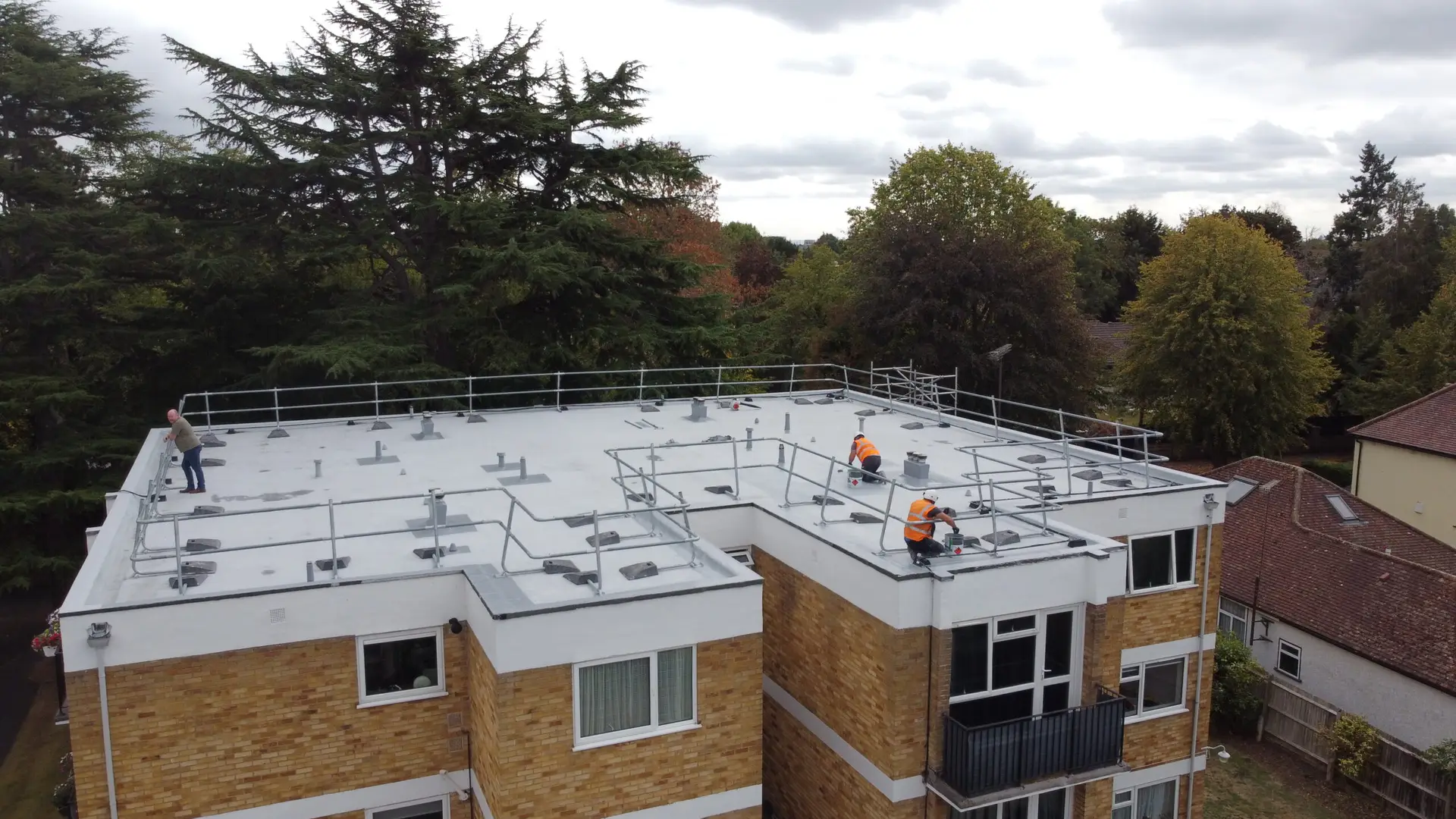
Understand the current condition of your commercial roof with a structured assessment of visible defects, deterioration and maintenance requirements. Our roof condition reports help building owners make informed decisions about repairs, refurbishment and future roofing investment.
A roof condition report provides a documented assessment of the observable condition of a roofing system at the time of inspection.
Commercial and industrial roofing systems can deteriorate gradually over time as a result of weather exposure, material ageing, previous repairs, drainage issues and general wear.
Without regular inspection, deterioration may remain unnoticed until water ingress or other problems begin to affect the building and its occupants.
Elite Waterproofing's roofing experience allows inspection findings to be considered in the context of practical maintenance, refurbishment and replacement requirements.
Rather than simply recording photographs, a condition report can help establish which areas require attention, which issues should be investigated further and how future roofing works might be prioritised.
Discuss Your RequirementsEach report is prepared according to the agreed inspection scope, the building's roofing system and the information required by the client.
A comprehensive commercial roof condition report may include the following elements.
A description of the property, roofing construction, roof sections, accessible information about materials and the agreed inspection scope.
A record of the inspection methods used, including aerial photography, visual examination and any additional investigations undertaken.
Relevant overview and detailed photographs illustrating roof construction, visible deterioration and selected areas of concern.
A structured schedule of observed defects, their approximate locations and accompanying descriptions.
Commentary on the observable condition of roofing materials, drainage components, flashings, rooflights and other relevant details.
An indicative prioritisation of areas requiring attention, helping clients distinguish immediate concerns from planned maintenance items.
Recommendations for further investigation, maintenance, repairs or consideration of wider roofing works.
Where agreed and supported by sufficient information, indicative budget considerations to help plan future roofing expenditure.
A clear description of areas not inspected, restrictions affecting the findings and items requiring further specialist assessment.
Our reports are designed to communicate relevant inspection findings in a format that can be understood by property owners, facilities managers and maintenance teams.
Photographs and written observations can be presented together to explain the nature of visible defects and their position within the roofing system.
Where appropriate, recommendations are included to help determine whether an item requires further investigation, remedial work or ongoing monitoring.
The completed report can be supplied digitally in PDF format for retention within property maintenance records.
Request a Survey Report ELITE WATERPROOFING
Example Defect Register
| Ref. | Observation | Priority |
|---|---|---|
| D01 | Damaged roof covering | High |
| D02 | Localised deterioration | Medium |
| D03 | Routine maintenance | Low |
An indicative priority system can help clients understand the relative importance of identified roofing concerns and plan appropriate next steps.
Observations that may require prompt investigation, remedial action or measures to reduce the risk of further damage.
Defects or deterioration that warrant investigation or planned maintenance to reduce the likelihood of future roofing problems.
Observations that may be addressed through routine maintenance, periodic inspection or continued monitoring.
Priority classifications are indicative and depend on the nature of the defect, building use, available evidence and potential consequences. Where an immediate safety concern is suspected, suitable precautions and specialist assessment may be required.
The inspection can be tailored to the type of roof, the concerns raised by the client and the components that can be safely and suitably examined.
One of the main benefits of a roof condition report is helping establish whether localised remedial work or a wider roofing project should be considered.
Where deterioration is localised and the wider roofing system remains suitable for continued use, targeted repairs may be an appropriate approach.
This may include attention to flashings, damaged components, isolated defects and drainage issues.
Explore Roof MaintenanceWhere more extensive deterioration is present, refurbishment may help improve the condition and performance of a suitable existing roofing system.
Options depend on the roof materials, construction, existing condition and intended future use.
Explore Roof RefurbishmentWhere deterioration is widespread, the roof has reached the end of its practical service life, or refurbishment is not suitable, replacement may need to be considered.
Further investigation and project-specific assessment may be required before establishing a replacement scope.
Explore Roof ReplacementCommercial roof condition assessments can support a wide range of property management and maintenance requirements.
Establish an understanding of roof condition and plan appropriate maintenance and future investment.
Identify areas requiring attention, maintain property records and prioritise ongoing roofing maintenance.
Investigate roofing concerns affecting manufacturing, storage, distribution and other operational activities.
Obtain roof-specific condition information to support property assessments and future expenditure planning.
Document observable roof condition and maintenance concerns when reviewing commercial property requirements.
Support maintenance planning across individual buildings and multi-property commercial or industrial estates.
Each report begins with an understanding of the building, the reason for the inspection and the information required by the client.
We establish the building location, roof type, reported concerns and the objectives of the assessment.
We agree the inspection scope, appropriate methods, reporting requirements and any necessary access arrangements.
The agreed inspection is undertaken, with relevant observations and photographs recorded where conditions and access permit.
Findings are reviewed and presented within the agreed report, together with recommendations and inspection limitations.
A roof condition report provides information about the areas and components inspected at a particular point in time.
A visual assessment cannot necessarily establish the condition of concealed roofing components, structural elements or materials beneath the visible roof covering.
Our approach is to distinguish between observable defects, suspected concerns and areas requiring further investigation.
Where additional assessment is needed, suitable inspection methods or specialist advice may be recommended.
Insulation, roof decks, concealed membranes and internal layers cannot necessarily be assessed through external visual inspection alone.
A roof condition report does not constitute a structural engineering assessment or confirmation of roof load-bearing capacity.
Visual observations cannot conclusively establish the asbestos content of materials. Formal asbestos surveying and appropriate testing may be required.
Visible defects and thermal anomalies may help identify areas requiring investigation, but do not necessarily establish the exact location or extent of water ingress.
Remaining roof service life cannot be guaranteed from a visual inspection. Further assessment and material information may be required.
Depending on the property and the information required, additional survey methods may be considered alongside a roof condition assessment.
The cost depends on the size and complexity of the roof, property location, required inspection methods and level of reporting.
A smaller property requiring a straightforward photographic assessment will generally have different requirements from a large industrial estate with multiple roofing systems.
Contact Elite Waterproofing with your property details for a tailored quotation.
A roof survey is the inspection activity undertaken to obtain information about a roofing system.
A condition report is the documented presentation of the findings, which may include photographs, observations, defect priorities, recommendations and limitations.
The report can help establish whether visible deterioration suggests that repair, refurbishment or replacement should be considered.
Where the roof construction or concealed components cannot be adequately assessed, further investigation may be required before a final recommendation can be made.
Indicative budget guidance can be included where agreed and where sufficient information is available to support an estimate.
Budget estimates should not be treated as fixed quotations. Final pricing may require additional measurements, access planning and confirmation of the proposed work.
Yes. A roof condition report can be commissioned as a standalone assessment of the agreed roofing areas.
Clients can retain the report for maintenance planning, internal review or consideration of future roofing requirements without committing to subsequent works.
A visual assessment can provide useful information about the observable condition of asbestos cement roofing sheets and associated components.
However, it does not replace a formal asbestos survey and cannot determine asbestos content through photographs alone.
Inspection frequency should reflect the roof's age, materials, condition, location, building use and any applicable warranty or maintenance requirements.
Periodic inspections and additional assessments following severe weather or reported damage can support preventative maintenance planning.
A roof condition report can provide useful roof-specific information when assessing a commercial property and considering future maintenance expenditure.
It is not a replacement for a comprehensive building survey, valuation, structural assessment or other specialist due diligence that may be required during an acquisition.
Written condition reports are supplied digitally in PDF format as part of the agreed reporting service.
This allows clients to retain the document, share it with relevant stakeholders and use it within their ongoing property maintenance records.
Whether you are managing an ageing industrial roof, investigating recurring leaks or planning future roofing investment, contact our team to discuss your property and assessment requirements.