
Heat Resistance
Crocidolite's mineral characteristics supported its historical use in thermal insulation and selected high-temperature industrial environments.
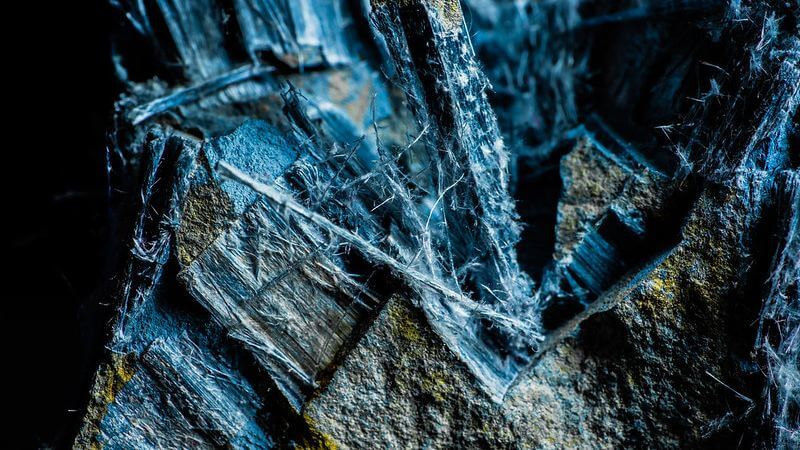
The history, properties, industrial uses and health risks of blue asbestos, one of the most hazardous forms of asbestos encountered in twentieth-century industry.
Once valued for its mineral strength, thermal properties and durability, crocidolite became a component of specialist insulation and fire protection products.
Its serious health consequences eventually led to prohibition in the United Kingdom, leaving a legacy within older buildings and industrial installations.
Blue asbestos, scientifically known as crocidolite, is a naturally occurring fibrous mineral belonging to the amphibole asbestos family.
Crocidolite is the fibrous form of riebeckite, a sodium- and iron-rich silicate mineral. Its fibres are characteristically straight and relatively rigid, differing from the curved structure of chrysotile, or white asbestos.
Its physical properties gave it considerable commercial value during the development of modern industrial insulation and fire protection systems.
Crocidolite was used in particular insulation products, sprayed fire protection, selected cement products and specialist industrial materials.
However, the mineral can release microscopic fibres when contaminated products are disturbed or damaged. Inhalation of these fibres is associated with serious respiratory disease.
Crocidolite is especially significant because of its strong association with mesothelioma, an aggressive cancer linked to asbestos exposure.
Common name
Blue asbestos
Scientific name
Crocidolite
Mineral family
Amphibole
Mineral association
Fibrous riebeckite
Fibre characteristics
Straight, relatively rigid
amphibole fibres
Historical applications
Insulation, sprayed coatings,
fire protection and specialist
industrial products
UK prohibition
1985
Crocidolite became commercially important as industrial economies developed an increasing demand for durable, heat-resistant and fire-resistant manufactured materials.
Commercial production was strongly associated with deposits in southern Africa and Australia. As demand grew, the mineral was incorporated into specialist insulation products and engineering materials.
Crocidolite and its related amphibole minerals became subjects of nineteenth-century mineralogical investigation.
Industrialisation created growing interest in materials capable of resisting heat, fire and challenging operating conditions.
Large-scale production of blue asbestos developed around commercially viable deposits, particularly in southern Africa.
The expansion of industrial manufacturing encouraged the use of asbestos fibres in insulation and specialist materials.
Blue asbestos was used in selected thermal insulation, fire protection and engineering applications.
The expansion of industrial premises, transport networks and large buildings created markets for specialist fire-resistant products.
Scientific research increasingly established the connection between asbestos exposure and serious diseases, particularly mesothelioma.
The risks associated with amphibole asbestos contributed to stronger workplace controls and increasing regulatory restrictions.
The United Kingdom introduced prohibitions covering the importation and new use of blue and brown asbestos.
Materials previously installed in buildings were not automatically subject to universal removal.
Crocidolite may still be present in older buildings and industrial installations.
Modern attention is focused on identification, condition assessment, management and appropriately controlled specialist work.
Crocidolite possessed a combination of physical properties that made it attractive for particular industrial applications.
These were historical engineering advantages, not health benefits. The severe risks associated with inhaling asbestos fibres ultimately outweighed its commercial usefulness.
Crocidolite's mineral characteristics supported its historical use in thermal insulation and selected high-temperature industrial environments.
Some fire-resistant building materials and sprayed protective coatings incorporated crocidolite as part of their composition.
Strong mineral fibres could provide reinforcement within certain manufactured industrial products.
Crocidolite offered useful resistance to certain chemical conditions, supporting its use in specialist applications.
Products containing asbestos fibres could provide thermal insulation around industrial equipment and building components.
The fibres could be incorporated into selected manufactured materials designed for demanding engineering conditions.
A material may possess useful engineering properties while also presenting unacceptable health risks. Crocidolite is an important historical example of this distinction.
Crocidolite was used in a range of specialist industrial and building products, particularly where fire resistance, insulation and durability were required.
Some sprayed asbestos coatings used in buildings contained crocidolite.
These materials can release hazardous fibres when damaged or disturbed and may require licensed specialist work.
Crocidolite appeared in certain insulation products used around industrial plant, pipes and other equipment.
Disturbance during maintenance or refurbishment can create serious exposure risks.
Selected engineering products incorporated blue asbestos because of its mineral strength and thermal characteristics.
Some historical asbestos cement products incorporated crocidolite, including certain pressure pipes.
However, chrysotile was the predominant asbestos type used in many cement roofing products.
Selected fire-resistant building products contained amphibole asbestos, including crocidolite.
The asbestos type cannot reliably be established from product appearance.
Other historical applications included selected industrial materials and components requiring particular mechanical or chemical properties.
Crocidolite is associated with particularly serious asbestos-related health risks, especially when fibres are released into the air and inhaled.
Its amphibole fibres are relatively straight, rigid and biopersistent, meaning they can remain in the body for long periods.
Scientific evidence indicates that crocidolite presents a particularly high mesothelioma risk.
Exposure can occur when asbestos-containing products are cut, drilled, broken, abraded or otherwise disturbed.
Asbestos-related diseases may take many years to develop after exposure. No asbestos type should be considered safe to inhale.
A malignant disease strongly associated with asbestos exposure, particularly affecting the lining of the lungs.
Inhalation of asbestos fibres increases lung cancer risk. Smoking and asbestos exposure together substantially increase this danger.
A progressive scarring disease of the lungs associated with substantial cumulative asbestos exposure.
Asbestos can cause pleural plaques and diffuse pleural thickening. Some conditions may impair breathing.
Three asbestos types accounted for much of the historical commercial use of asbestos minerals in British buildings and industrial applications.
Each has different mineral characteristics and historical applications. All are hazardous when airborne fibres are inhaled.
Historically used in selected sprayed coatings, thermal insulation, fire protection and industrial products.
Associated with a particularly high risk of mesothelioma.
Current Page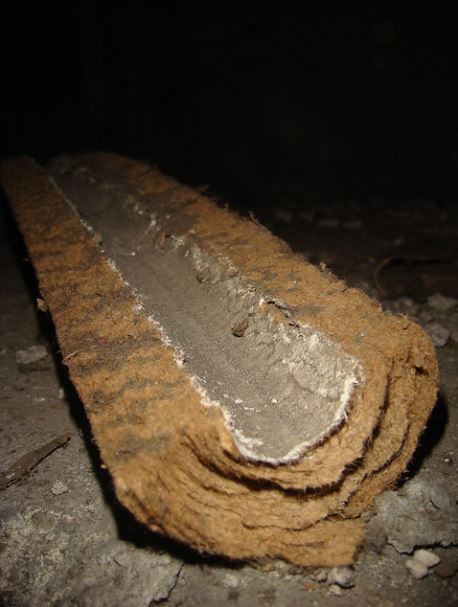
Used extensively in some asbestos insulating boards, fire protection and thermal insulation products.
A hazardous amphibole asbestos type prohibited from new UK use in 1985.
Explore Brown Asbestos →
The most commercially widespread asbestos type, historically used in asbestos cement roofing and many manufactured products.
Also carcinogenic, with its general UK prohibition completed in 1999.
Explore White Asbestos →Photographs illustrate the natural mineral forms. The appearance or colour of a manufactured building product cannot reliably establish whether asbestos is present or identify its mineral type.
| Characteristic | Blue | Brown | White |
|---|---|---|---|
| Mineral name | Crocidolite | Amosite | Chrysotile |
| Mineral family | Amphibole | Amphibole | Serpentine |
| Fibre structure | Straight, rigid | Straight, rigid | Curved, flexible |
| Historical applications | Insulation and sprayed coatings | Insulating boards and insulation | Cement roofing and other products |
| UK prohibition | 1985 | 1985 | 1999 |
| Health status | Carcinogenic | Carcinogenic | Carcinogenic |
Blue asbestos has been prohibited from new use in the United Kingdom since 1985.
The prohibition did not automatically require the removal of every crocidolite-containing material already installed in existing buildings.
Asbestos-containing materials can still be present within older commercial premises, industrial buildings and other infrastructure.
In Great Britain, the Control of Asbestos Regulations 2012 establish duties relating to asbestos management and work involving asbestos.
Dutyholders responsible for relevant non-domestic properties must identify and manage asbestos risks, maintain suitable records and provide necessary information to people who may disturb materials.
Northern Ireland has corresponding asbestos regulations and separate enforcement arrangements.
Responsible asbestos management requires accurate identification, assessment of the material's condition and suitable planning before work that may disturb asbestos.
Appropriate asbestos surveys help establish the location, type and condition of asbestos-containing materials.
Specialist sampling and accredited laboratory analysis may be needed.
Some asbestos-containing materials in good condition may be managed in place where unlikely to be damaged or disturbed.
Decisions must be based on the actual material, its condition and competent assessment.
Many activities involving asbestos sprayed coatings, loose-fill insulation and certain thermal insulation materials require licensed contractors.
Applicable requirements depend on the material and proposed work.
Crocidolite-containing insulation and sprayed coatings must not be treated as equivalent to asbestos cement roof sheets.
A refurbishment or coating approach appropriate for asbestos cement roofing is not automatically suitable for other asbestos-containing materials.
Although crocidolite is no longer used in new UK construction, its presence in historical buildings continues to affect property maintenance, refurbishment and redevelopment.
Owners and facilities managers must consider existing asbestos materials when maintaining and altering older buildings.
Specialist surveys, asbestos controls, removal and waste management may affect project budgets and construction schedules.
Legacy asbestos creates continuing demand for competent surveyors, analysts, licensed contractors and specialist waste services.
The economic significance of crocidolite today lies in managing historical materials safely, rather than manufacturing or installing new products.
This article is intended for general educational purposes and does not replace a site-specific asbestos survey or competent professional advice.
Educational content reviewed: November 2026.
Elite Waterproofing provides commercial roof refurbishment, specialist protective coatings and suitable asbestos cement roofing solutions.
If your property contains suspected asbestos materials, appropriate identification and assessment must precede any proposed roofing work.
Request a Free Quote